Table Of Content
- Why the Product Photo Is Not the Whole Story
- Virtual Try On Clothes Online: What It Can Actually Show You
- From a Myntra Listing to a More Useful Preview
- Will That Zara Piece Look Intentional, or Just Too Big?
- What Virtual Try On Clothes Online Cannot Guarantee
- A Five-Minute Check Before You Buy
- FAQs
- Can virtual try-on tell me my exact size?
- What photo should I use for a virtual try-on?
- Can I use virtual try-on for Zara and Myntra clothes?
- Does virtual try-on show fabric quality or comfort?
- Shop for Your Body, Not the Product Page
Ever bought something that looked flawless on a Zara or Myntra model, only to find it feels completely different at home? The usual cycle—add to cart, wait, try, regret, return—is frustrating, especially during a sale when impulse purchases pile up fast.
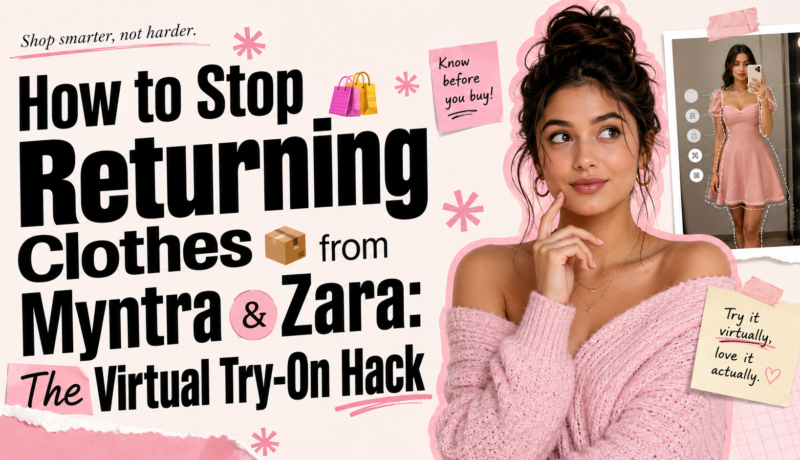
A virtual try on clothes online tool can help interrupt that pattern before you buy. It will not replace a tape measure or tell you precisely how fabric feels, but it can answer a question product pages rarely solve: will this colour, cut and overall silhouette actually work on me?
That matters as returns become less carefree. Some fashion retailers have introduced charges for certain online returns in selected markets, partly because returns are costly to process and transport. Check the current terms for your location and order type before buying; Zara India’s Help Centre is the best place to confirm applicable conditions.
Why the Product Photo Is Not the Whole Story
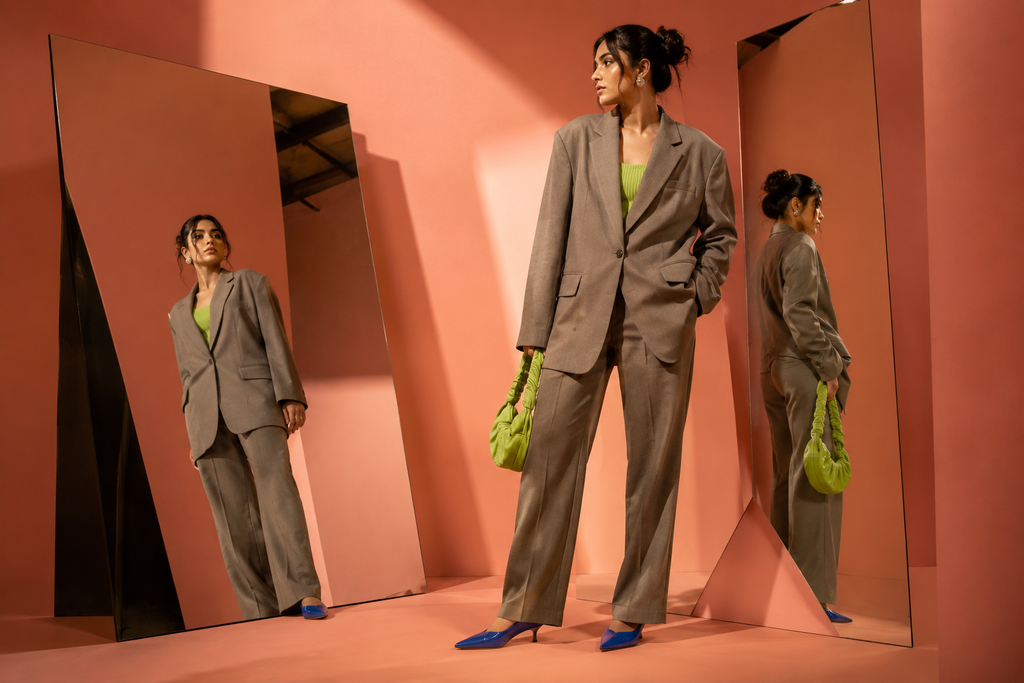
The model is not the garment’s default setting. A shirt photographed on someone tall with narrow shoulders and a long torso will sit differently on someone with a shorter frame, fuller bust, broader hips or a differently placed waist. Even in your usual size, the silhouette may not translate.
Then there is the studio effect. Fashion shoots rely on considered lighting, camera angles, posing and styling. Garments may be clipped or pinned at the back to create a sharper shoulder, cleaner waist or more dramatic drape. A loose Zara dress can look sculpted; a boxy Myntra shirt can appear neatly tucked and tailored.
Colour can cause just as much buyer’s remorse. Studio flash, image editing and your phone screen can shift undertones. What looks like warm rust online may arrive cooler in person, while olive can lean more khaki than expected. Against your skin, that small difference can change the whole effect.
Before buying, look beyond campaign imagery. Check the model’s height and worn size, garment measurements, fabric composition and customer photos.
Virtual Try On Clothes Online: What It Can Actually Show You
Virtual try-on technology uses AI to create a visual preview of you in a garment or outfit. With a selfie-based outfit preview, you upload a clear image of yourself alongside a garment image, then use the result as a pre-purchase filter—not a promise of perfect fit.
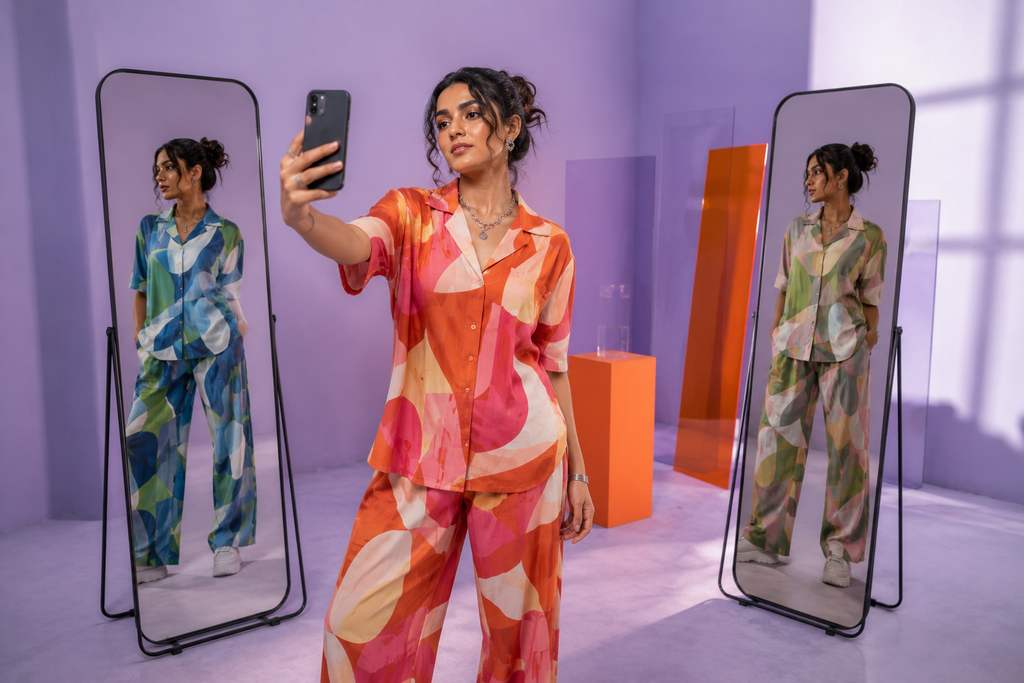
An AI virtual try on is most useful for judging what size charts cannot communicate: visual balance, colour harmony and overall shape. It can help you decide whether a high neckline feels too severe, whether wide-leg trousers suit your proportions better than straight-fit styles, or whether a bold print overwhelms your frame.
McKinsey identifies virtual try-on and personalised shopping experiences as important uses of generative AI in fashion. The appeal is not just novelty; it is about helping shoppers make better-informed decisions before an item enters the return cycle. Read its overview of generative AI in fashion for the wider retail context.
A virtual fitting room works best with a straightforward image: neutral lighting, an uncluttered background and a relaxed front-facing pose. You do not need a professional photo shoot. A clear smartphone selfie or full-body image is enough to explore styles.
From a Myntra Listing to a More Useful Preview
For a Myntra virtual try on workflow, save or screenshot the clearest front-facing image from the listing. Upload it with a clear personal photo to a tool such as Fashually’s virtual try-on. The result can help you compare colour, length impression, silhouette and styling direction before you commit.
But do not stop at the preview. Use it alongside the practical details:
- Compare the size chart with your own key measurements.
- Read the composition carefully. Cotton with elastane behaves differently from rigid 100% cotton, while polyester can range from fluid crepe to stiff woven fabric.
- Look for stretch information where available.
- Read customer reviews and photos for notes on sheerness, shrinkage, unusual length or inconsistent sizing.
- Compare the model’s height with yours to estimate where a hem, sleeve or waist may land.
Will That Zara Piece Look Intentional, or Just Too Big?
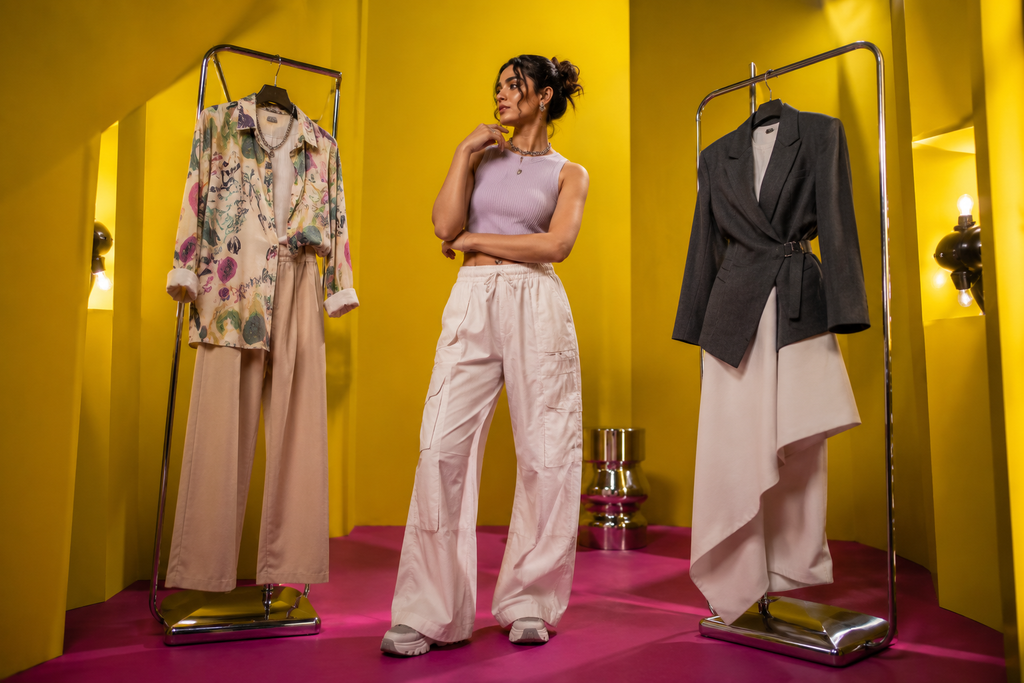
The same approach works for a Zara virtual try on. Zara styling is often highly directional, so it helps to visualise the complete effect rather than focusing on the garment alone.
Does an oversized blazer look relaxed and deliberate on you, or simply too large? Does an asymmetric hem flatter your proportions? Does a structured fabric create a sharper silhouette than you want? A virtual preview cannot settle every fit question, but it can make those questions clearer before checkout.
Keep your own photo consistent when comparing pieces. Using the same image and pose makes it easier to judge competing dresses, jeans or tops without being distracted by different lighting.
What Virtual Try On Clothes Online Cannot Guarantee
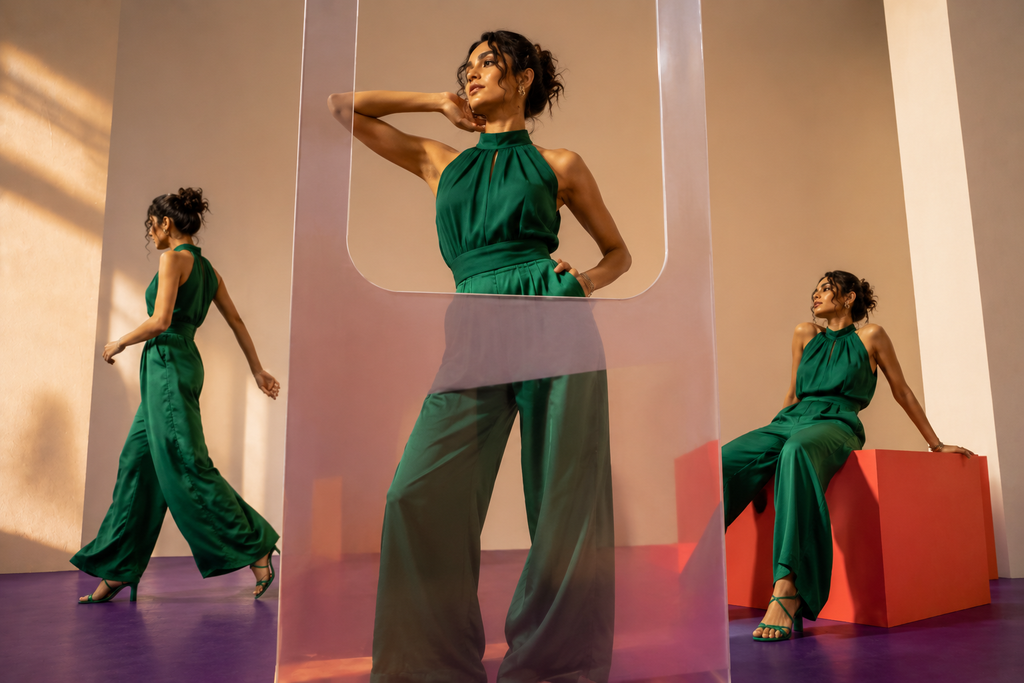
Fashually can help you step out of the “model versus me” trap by visualising a garment on your own image. It is particularly useful when you are choosing between colours, testing a trend-led cut or narrowing a long wishlist to a few promising pieces.
It can also help with wardrobe planning. Preview a blazer with jeans, trousers or skirts you already wear. A piece that works in several combinations is usually a better buy than a one-off statement item.
Still, AI-generated try-ons are visual estimates. They cannot guarantee:
- exact sizing or where a garment will sit on your body
- fabric weight, softness, breathability or stretch recovery
- comfort while sitting or moving
- transparency, lining quality, scratchy trims or zipper behaviour
- tailoring details or the exact real-world colour
Use the preview to assess proportions, colour and silhouette. Use the product page, measurements and customer feedback to assess fit risk.
A Five-Minute Check Before You Buy
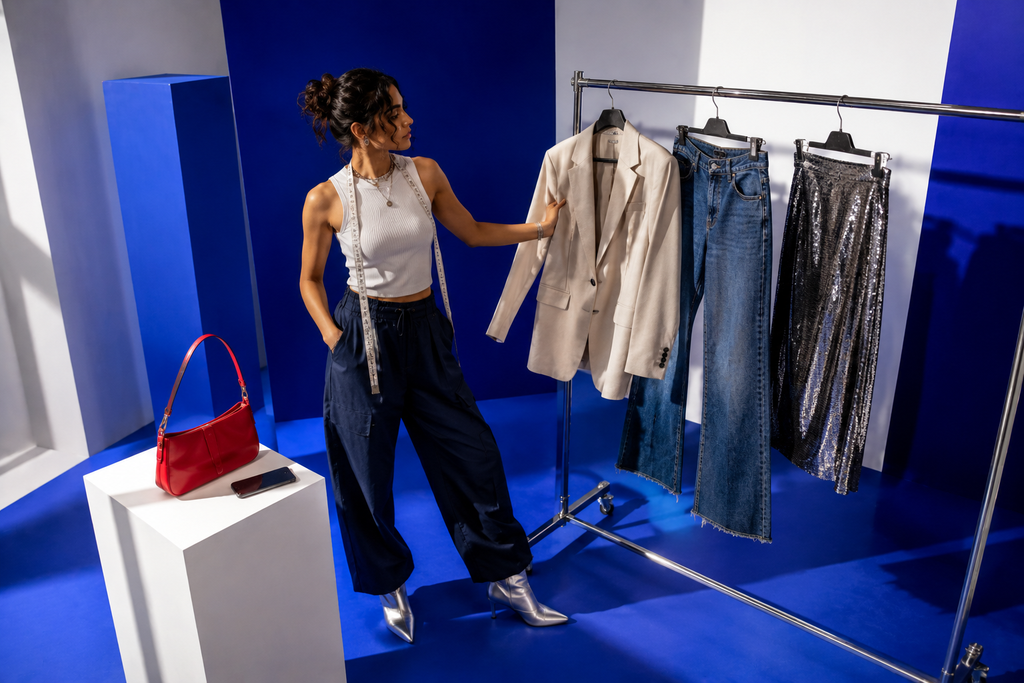
The best way to reduce clothing returns is to make every purchase pass more than one test.
Test the visual. Upload your selfie and the garment image. Does the neckline, colour temperature and shape work with you—not just the model?
Test the fit logic. Compare your measurements with the retailer’s size chart instead of relying on “I am always a medium.” Sizing can vary between brands and even across categories within the same brand.
Test the reality. Read low-rated reviews as well as glowing ones. Repeated comments about fabric, length, transparency and sizing are worth taking seriously. Customer photos often reveal more than editorial images.
Check the return terms. Confirm the return window, pickup conditions, exclusions and any applicable fees before ordering. Fewer speculative purchases mean less reverse logistics—and less fast-fashion waste.
FAQs
Can virtual try-on tell me my exact size?
No. It can help you judge visual proportion and silhouette, but you should still compare your measurements with the retailer’s size chart.
What photo should I use for a virtual try-on?
Use a clear, front-facing selfie or full-body image in neutral light, ideally with an uncluttered background and a relaxed pose.
Can I use virtual try-on for Zara and Myntra clothes?
Yes. Save or screenshot a clear garment image from the listing, then use it with your photo in a virtual try-on tool before checking the product details.
Does virtual try-on show fabric quality or comfort?
No. It cannot reliably show softness, stretch, breathability, lining, transparency or comfort in motion. Check composition details and customer reviews.
Shop for Your Body, Not the Product Page
Virtual try-on will not make online fashion completely risk-free. It can, however, make your choices less dependent on a model’s proportions, flattering studio lighting or the assumption that you can always return it.
Use it as a visual decision helper: preview the garment, compare options, then verify sizing, fabric, reviews and return terms. That combination is far more reliable than ordering three sizes and hoping one works.
The payoff is not only fewer return pickups. It is a wardrobe with better colour choices, stronger outfit combinations and fewer pieces that looked exciting only on the product page.