

Table Of Content
- Fashion Mistakes That Make You Look Older or Cheaper: Start With the Fit
- Oversized Should Look Intentional, Not Accidental
- When Proportions and Colour Need a Reset
- The Fabric Details That Can Undercut a Great Outfit
- Fashion Mistakes That Make You Look Older or Cheaper Often End at the Accessories
- Restyle Before You Replace
- A Five-Minute Outfit Polish Checklist
- FAQs
- Can affordable clothes look polished?
- Does oversized clothing always make you look frumpy?
- Can you wear black and navy together?
- What is the fastest way to make an outfit look more put together?
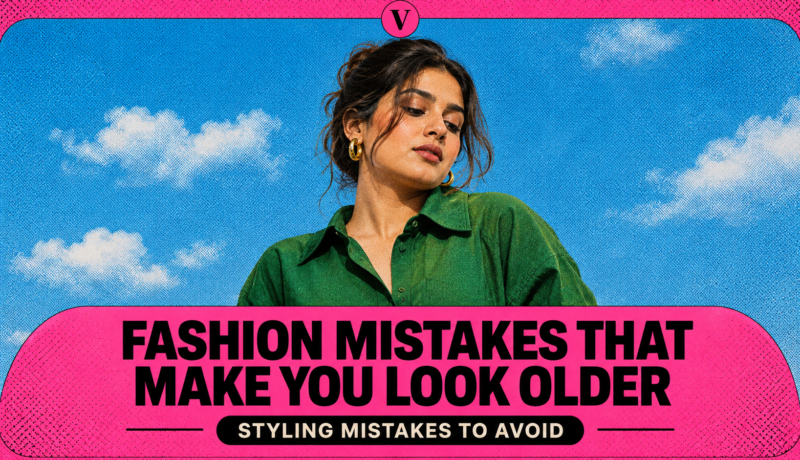
Most fashion mistakes that make you look older or cheaper have little to do with age, body shape, or how much you spend. More often, an outfit loses its edge because the fit is slightly off, the proportions feel accidental, or the finishing details have been skipped.
A well-cut high-street blazer can look sharper than an expensive one with sagging shoulders. A simple knit and trousers can feel considered when they are steamed, balanced, and paired with clean shoes. These are not strict rules; they are useful visual tools for making getting dressed easier.
Fashion Mistakes That Make You Look Older or Cheaper: Start With the Fit
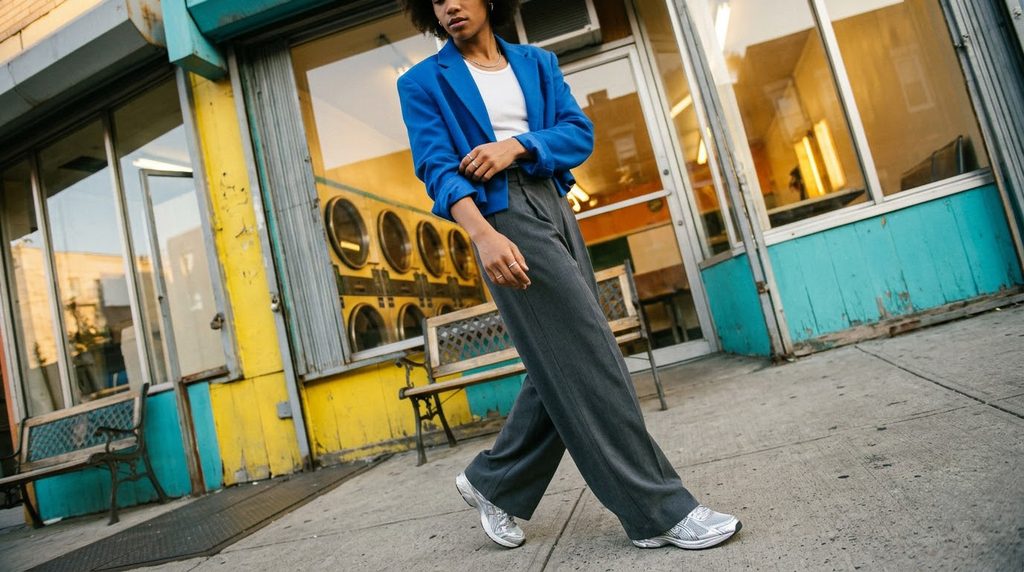
Poor fit is one of the quickest ways to make good clothes look less polished. Check the structural points people notice almost unconsciously: shoulder seams should sit close to your natural shoulder, sleeves should not swallow your hands or end awkwardly above the wrist, and trouser hems should not pool around your shoes.
For tailored pieces, small alterations can make a major difference. A jacket does not need to be expensive to look intentional, but its shoulders and sleeves need to work. With trousers, consider the break—the amount of fabric resting on the shoe. Excess bunching can look untidy, while a clean crop or slight break often feels fresher.
Fit is also about proportion. A long top that cuts the body in half can make an outfit feel static. Try a rough rule of thirds instead: pair a shorter layer with longer trousers, or tuck a shirt into a high-rise skirt. A French tuck, cuffed sleeve, cropped jacket, or visible ankle can reset the whole silhouette. For more ideas, read our guide on how to dress for your body proportions.
Oversized Should Look Intentional, Not Accidental

Oversized clothing can be modern, relaxed, and powerful. But extra fabric alone does not create an oversized silhouette; it needs structure.
An oversized blazer works when the shoulders retain some shape, the sleeves reveal a little wrist, and the rest of the outfit provides contrast—a fitted tee, straight-leg trouser, slim skirt, or streamlined shoe. Similarly, wide trousers often look best with a close-fitting knit or tucked-in shirt. The point is not to “balance” your body. It is to give the eye somewhere to land.
If everything is loose—a long sweatshirt, wide trousers, bulky trainers, and oversized coat—the look can lose definition. Before buying anything new, try a few small changes:
- Push up or roll sleeves to reveal the wrist.
- Add a partial tuck or belt to establish a waistline.
- Pair one voluminous piece with one structured piece.
- Swap a very bulky shoe for a cleaner, more streamlined option.
Fashually’s AI Virtual Try-On can be useful for comparing proportions, such as a full-length top versus a French tuck or different jacket-and-trouser combinations. Use it as styling inspiration rather than a guarantee of real-world fit, fabric feel, or sizing.
When Proportions and Colour Need a Reset
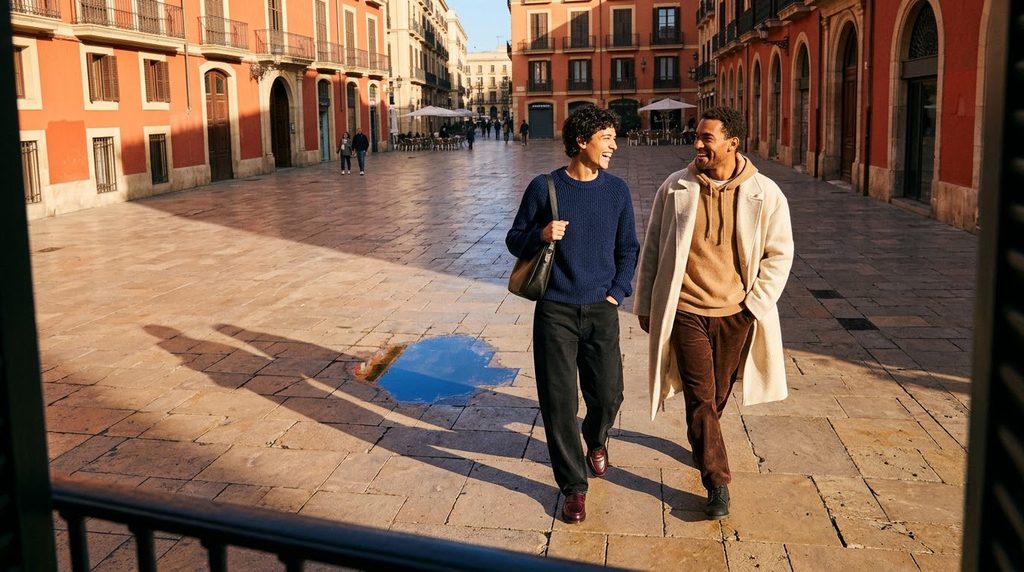
Colour can make an outfit feel cohesive—or make it look like separate pieces happened to meet that morning. Tonal dressing is one easy fix: combine related shades such as cream, camel, and chocolate, or navy, denim, and slate. A monochromatic outfit does not require one exact shade; varied textures keep it from looking flat.
And yes, black and navy can work together. The key is enough distinction. Try a rich navy knit with black denim, or black leather shoes with navy wool trousers. Different fabrics help the colours read as deliberate rather than almost-matching.
Be wary of matching every accessory exactly, too. Matching shoes, bag, belt, scarf, and jewellery can feel overly formal when every item shares the same shade or finish. Coordination tends to look more current: repeat one colour, echo a texture, or let one accessory take focus. A black bag, brown leather belt, and burgundy shoe can work beautifully with a neutral outfit.
The Fabric Details That Can Undercut a Great Outfit
Even a strong look can feel unfinished when fabric is pilled, creased, faded, static-heavy, or overly shiny. Black is particularly revealing: a faded cotton T-shirt beside a deep black wool coat can look mismatched in daylight, even though both pieces are technically black.
A small care routine goes a long way:
- Steam or press garments before wearing them.
- Use a fabric shaver on knits and coats with pilling.
- Snip loose threads rather than pulling them.
- Hang structured items properly and fold delicate knits.
- Replace cracked buttons or flimsy hardware where practical.
- Keep a lint roller nearby for dark fabrics.
Vogue’s guide to making clothes last longer is a helpful reminder that maintenance protects not only the garment, but also its drape and overall appearance. For a practical wardrobe-care routine, see our guide on how to care for clothes so they last longer.
Fashion Mistakes That Make You Look Older or Cheaper Often End at the Accessories
Accessories can pull an outfit together, but too many competing elements can make even quality pieces look less considered. Large logos, multiple statement necklaces, heavily embellished belts, bright hardware, and a busy print all at once can overwhelm the look.
Try editing before you leave home: remove one item and see if the outfit has more clarity. Scale matters, too. Delicate jewellery can disappear beneath a chunky knit, while an oversized bag may overwhelm a compact evening outfit. Our guide on how to accessorise an outfit explains how texture, proportion, and occasion can help you choose the right finishing pieces.
Shoes, bags, belts, and underlayers deserve the same attention. Clean scuffs from leather shoes, replace worn heel tips, wipe down trainers, and polish boots when needed. Store bags stuffed so they retain their shape, and check belts for peeling edges or scratched buckles.
Also consider what sits beneath the clothes. Visible underwear lines, straps that do not suit the neckline, or clingy slips can interrupt a clean silhouette. The answer is not necessarily shapewear; it may simply be a smoother underlayer, a different underwear cut, or a slip beneath a lightweight skirt.
As GQ notes in its rules of dressing well, good dressing relies heavily on fit and restraint rather than conspicuous branding.
Restyle Before You Replace
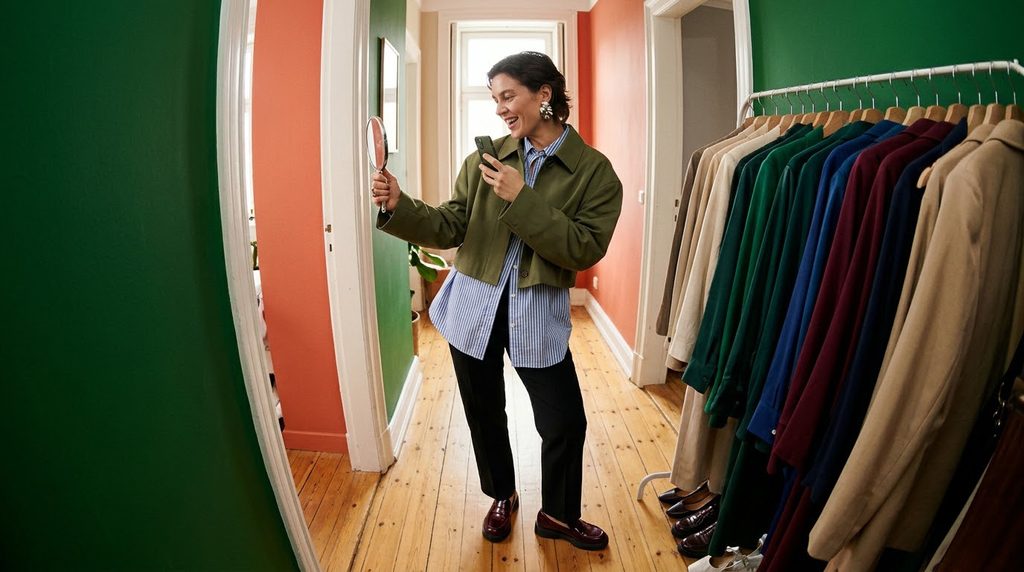
If an outfit feels frumpy, dated, or simply off, resist replacing it immediately. Restyle it first. Take 20 minutes with your wardrobe and photograph combinations in natural light. Try the same trousers with different shoe shapes; wear a shirt tucked, half-tucked, and untucked; layer a fitted tee beneath an open shirt or blazer; or mix your usual black pieces with navy, olive, or cream.
Often, the newness is in the combination rather than the garment. Fashually’s Fashion Visualization tools can offer a low-pressure way to compare tonal looks, smart-casual layers, or different styling directions using pieces you already own. They can help reveal whether an outfit needs a cropped layer, cleaner shoe, or less contrast before you spend anything.
For a more intentional closet overall, start with how to build a modern wardrobe. Versatile pieces are easier to restyle than purchases designed around one short-lived formula.
A Five-Minute Outfit Polish Checklist
- Check fit: Are the shoulders, sleeves, waistband, and hems sitting where they should?
- Adjust proportions: Tuck, cuff, belt, or crop one element if the outfit feels shapeless.
- Steam and depill: Remove wrinkles, lint, static, and visible pilling.
- Edit accessories: Keep one focal point rather than several competing statements.
- Coordinate, do not match: Use colour or texture to connect the look.
- Inspect shoes and bag: Clean, structured accessories elevate almost everything.
- Add one intentional detail: A rolled cuff, polished belt, considered earring, or textured shoe is enough.
FAQs
Can affordable clothes look polished?
Absolutely. Fit, fabric condition, proportion, and styling usually have more visual impact than the label on the garment.
Does oversized clothing always make you look frumpy?
No. Oversized pieces work well when the outfit has structure, contrast, or a visible anchor point such as the wrist, waist, or ankle.
Can you wear black and navy together?
Yes. Choose clearly distinct shades and textures so the pairing looks intentional rather than almost matching.
What is the fastest way to make an outfit look more put together?
Check the fit, steam the fabric, clean the shoes, and remove one unnecessary accessory. Those small edits often make the biggest difference.
Looking polished is not about appearing younger, richer, or more correct. It is about making your choices look deliberate. A little attention to fit, fabric care, proportions, and styling can make an old favourite feel current again—without a designer label or an entirely new wardrobe.