
Table Of Content
- What Does an AI Fashion App Actually Do?
- Three Ways AI Is Changing the Way You Get Dressed
- Digital wardrobe apps: for making your closet work harder
- Retail virtual try-on: for one specific product
- Generative fashion visualizers: for a whole new look
- Best AI Fashion App Comparison: What Matters Before You Download?
- Match the Tool to the Fashion Question You’re Asking
- Want to organize what you already own?
- Trying to decide on one item?
- Considering a new aesthetic?
- Need inspiration before you start shopping?
- Fashually: A Space to Test the Look Before You Buy It
- Before You Upload a Selfie, Check These Details
- FAQ
- What is the best AI fashion app for outfit inspiration?
- Can an AI virtual try-on app tell me my size?
- Are digital wardrobe apps worth the setup time?
- Is it safe to upload photos to AI fashion apps?
- The Best Choice Depends on the Job
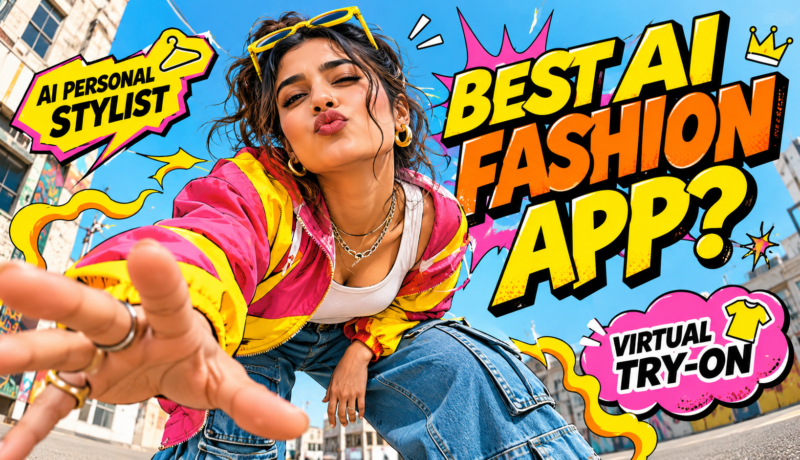
The best AI fashion app is not necessarily the one with the glossiest generated image. It is the one that solves the problem in front of you: getting more from clothes you own, checking out a specific item before buying, or seeing whether an entirely new style direction actually feels like you.
Most AI fashion tools fall into three camps: digital wardrobe apps, retail virtual try-on tools, and generative fashion visualizers. They can overlap, but their core jobs are different. A closet tracker manages inventory. Virtual try-on previews a garment. An AI outfit generator turns a style idea into a visual look.
Knowing the difference saves a lot of disappointment. A visualizer cannot reliably predict the exact fit of a pair of trousers, while a wardrobe catalog will not usually deliver an editorial-style transformation.
What Does an AI Fashion App Actually Do?
“AI fashion app” is a broad term covering tools that use artificial intelligence for outfit planning, shopping, styling, and fashion content creation.
A digital wardrobe app catalogs the pieces you already own and suggests combinations. An AI virtual try-on app maps a particular garment onto a model or user image to show its likely visual appearance. An AI outfit generator, sometimes called a generative fashion visualizer, creates new outfit concepts—often from a personal photo and a style prompt.
The key distinction is visualization versus prediction. A convincing image can help you decide whether wide-leg silhouettes, burgundy tones, or vintage-inspired styling suit you. It cannot reliably tell you whether a trouser inseam will work, a knit will itch, or a blazer will pull across the shoulders.
That is where generative AI becomes most useful in fashion: as a creative and personalized visual tool, rather than a replacement for real-world product information. McKinsey has explored this potential across design, personalization, and customer interaction in its report on generative AI in fashion.
Three Ways AI Is Changing the Way You Get Dressed
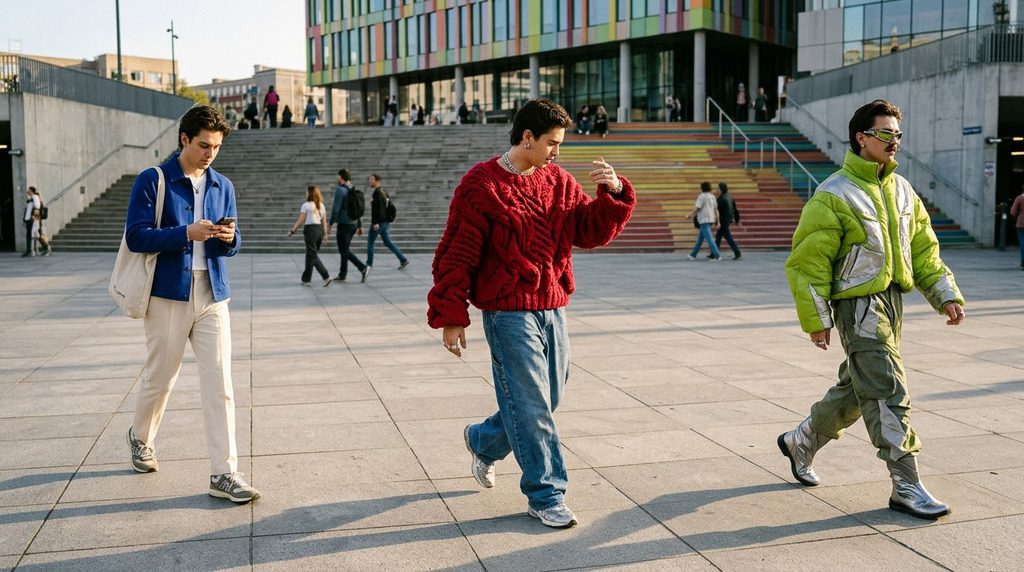
Digital wardrobe apps: for making your closet work harder
Digital wardrobe tools ask you to photograph, upload, or log your clothing. Once your closet is cataloged, they can help with outfit planning, packing lists, cost-per-wear awareness, and recommendations based on what you already own.
This is the practical choice if you are building a capsule wardrobe or trying to stop buying duplicates. The trade-off is setup: logging dozens—or hundreds—of garments takes time and reasonably consistent photos.
Retail virtual try-on: for one specific product
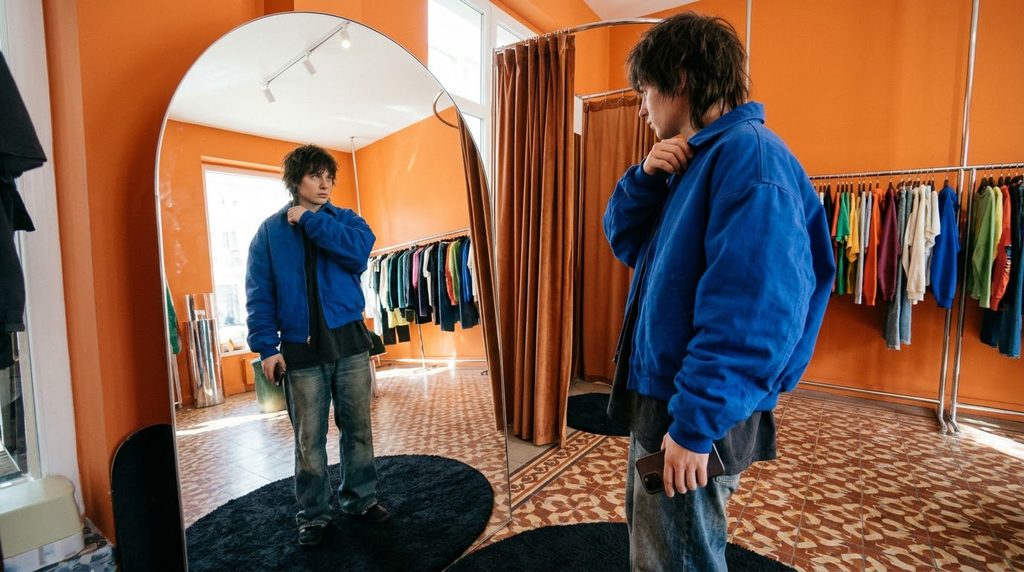
Retail virtual try-on focuses on a particular jacket, dress, sweater, or pair of trousers from a product page. Its job is garment rendering: showing how that SKU may look across a body, pose, and lighting scenario.
As Google’s overview of AI virtual try-on technology shows, fabric folds, shadows, body shape, and pose all affect the result. It is a useful shopping aid, but not a tailor-level fitting room. Check the size guide, reviews, materials, and return policy before buying.
Generative fashion visualizers: for a whole new look
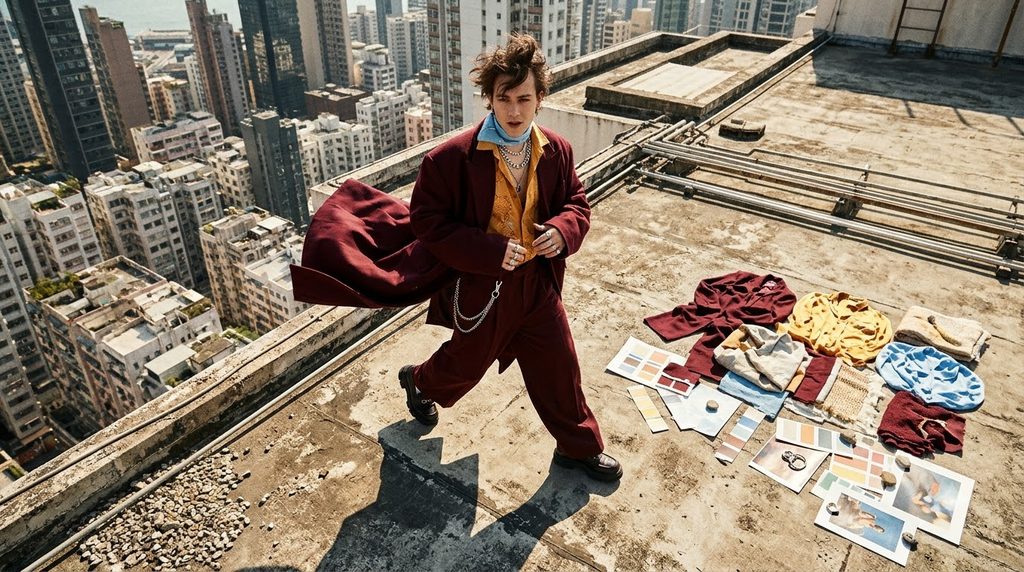
Generative AI fashion apps are built for style exploration. Rather than requiring a complete wardrobe catalog or one exact retail garment, they let you explore a direction: minimalist tailoring, streetwear, Y2K, vacation dressing, or a color palette you have never worn.
Fashually sits primarily in this category. Its Fashion Visualization and AI Virtual Try-On experiences help users explore outfit combinations and style transformations using their own photos. It is most useful when the question is, “Could I pull this off?” rather than, “Will this exact medium fit?”
For more on the process behind these images, read how AI outfit generators work.
Best AI Fashion App Comparison: What Matters Before You Download?
When comparing tools, look beyond the hero image. The best AI fashion app for you should match your goal, offer believable output, and be clear about how it handles your photos.
| Feature | Digital wardrobe app | Retail virtual try-on | Generative fashion visualizer |
|---|---|---|---|
| Main purpose | Organize and rewear owned clothing | Preview a specific product | Explore complete looks and aesthetics |
| Typical input | Photos and details of your closet | Retailer garment image or product page | Personal photo and style direction |
| Fashion discovery | Moderate | Low to moderate | High |
| Cataloging required | Yes | No | No complete wardrobe needed |
| Best for | Wardrobe planning | Shopping a specific SKU | Style experimentation and moodboards |
| Main limitation | Time-consuming setup | Does not guarantee fit | Does not guarantee fit or garment accuracy |
For visual tools, inspect facial identity, hands, body proportions, garment edges, and lighting. Weaker models can create warped fingers, stretched textures, odd layering, or a face that no longer looks like the user. Image quality matters even more if you want moodboards or social-ready content rather than a quick private reference.
Match the Tool to the Fashion Question You’re Asking
Want to organize what you already own?
Choose a digital wardrobe app. This is the most useful AI personal stylist format for building looks from your actual closet and spotting gaps before you shop.
Trying to decide on one item?
Use retail virtual try-on when it is available on the product page. It can offer a stronger sense of visual compatibility than a flat product shot, but it cannot guarantee sizing, comfort, fabric weight, or exact drape in real life.
Considering a new aesthetic?
An AI outfit generator or fashion visualizer is the better fit. It lets you test silhouettes, colors, and style identities before committing to a purchase. Pair the results with this guide on how to discover your personal style to turn experiments into a more coherent wardrobe direction.
Need inspiration before you start shopping?
Photo-based styling can be faster than logging every item you own. You can compare oversized denim with tailored trousers, or cool neutrals with warm earth tones, before opening a dozen product tabs.
Fashually: A Space to Test the Look Before You Buy It
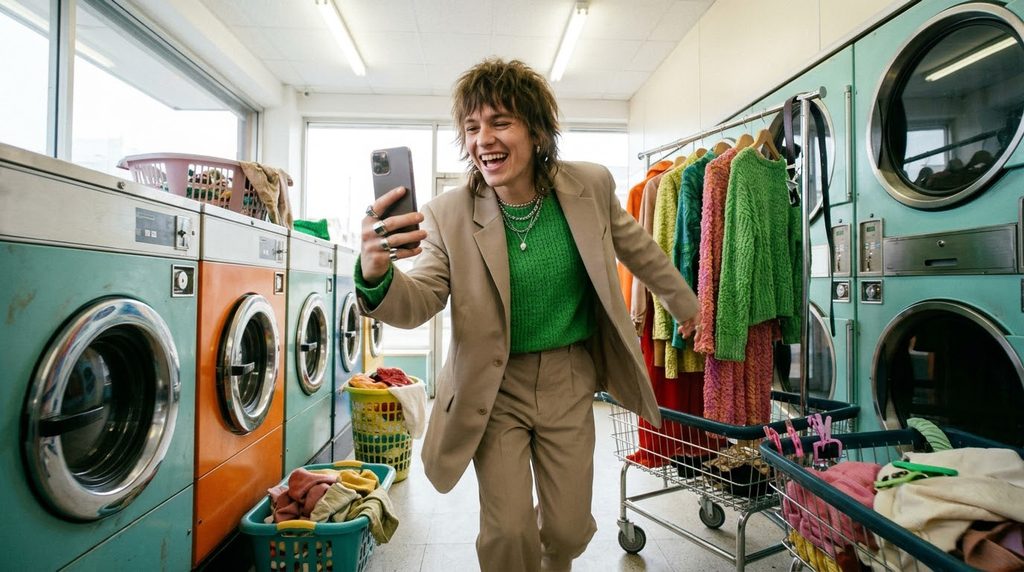
Fashually is designed for visual fashion experimentation and content creation. Users can explore themselves in different outfits and aesthetics, compare looks before shopping, and create fashion-focused images with AI.
That can be useful when you want visual proof of a direction before spending on it. Test a new color family, try a more polished version of your everyday style, or create a reference for an upcoming occasion. Fashually’s AI Fashion Photoshoots can also support creators and brands developing editorial-style concepts, while AI UGC Video Generation is relevant for fashion-focused social and marketing content.
The appeal is speed: you can explore ideas without photographing and tagging an entire wardrobe or learning complex image-generation workflows. For a practical walkthrough, see how to use Fashually.
One boundary is worth keeping in mind: generated visuals are for inspiration and aesthetic exploration. They do not promise exact sizing, fabric feel, comfort, construction quality, or identical real-world appearance.
Before You Upload a Selfie, Check These Details
- Start with your goal: Are you organizing a closet, previewing a product, or discovering a style direction?
- Check image quality: Look closely at faces, hands, proportions, fabric, and lighting.
- Assess identity fidelity: Does the result still look recognizably like you?
- Look for useful controls: Can you adjust outfits, aesthetics, colors, poses, or settings?
- Review pricing: Check for trials, credits, export limits, and recurring subscriptions.
- Read the privacy policy: Find out how long uploads are retained, whether images can be deleted, and whether they may be used to train models or improve products.
Never assume that uploading a selfie is consequence-free. Avoid images with sensitive background details, and choose services with clear deletion and data-use policies. The NIST AI Risk Management Framework offers useful principles around transparency, governance, and responsible risk evaluation.
FAQ
What is the best AI fashion app for outfit inspiration?
Generative fashion visualizers are generally best for outfit inspiration because they can create complete looks, test aesthetics, and explore new color or silhouette ideas from a personal photo.
Can an AI virtual try-on app tell me my size?
No. Virtual try-on can help you assess a garment visually, but it cannot guarantee size, comfort, fabric feel, or exact fit. Always check product measurements and reviews.
Are digital wardrobe apps worth the setup time?
They can be, especially if you want to wear more of what you own, plan outfits faster, and avoid buying duplicates. Their usefulness depends on how consistently you catalog your clothes.
Is it safe to upload photos to AI fashion apps?
It depends on the app’s privacy policy. Check retention periods, deletion controls, third-party sharing, facial-data handling, and whether uploads may be used for model training or product improvement.
The Best Choice Depends on the Job
There is no universal winner. Choose a digital wardrobe app if you want to organize existing clothes and make smarter use of them. Choose retail virtual try-on if you are weighing up a specific item and want a visual preview. Choose a generative AI fashion visualizer such as Fashually if your priority is personal style exploration, outfit inspiration, and seeing new possibilities on yourself before you shop.
The smartest approach is to treat AI as a visual decision-making tool—not a replacement for size charts, thoughtful purchasing, or your own point of view.